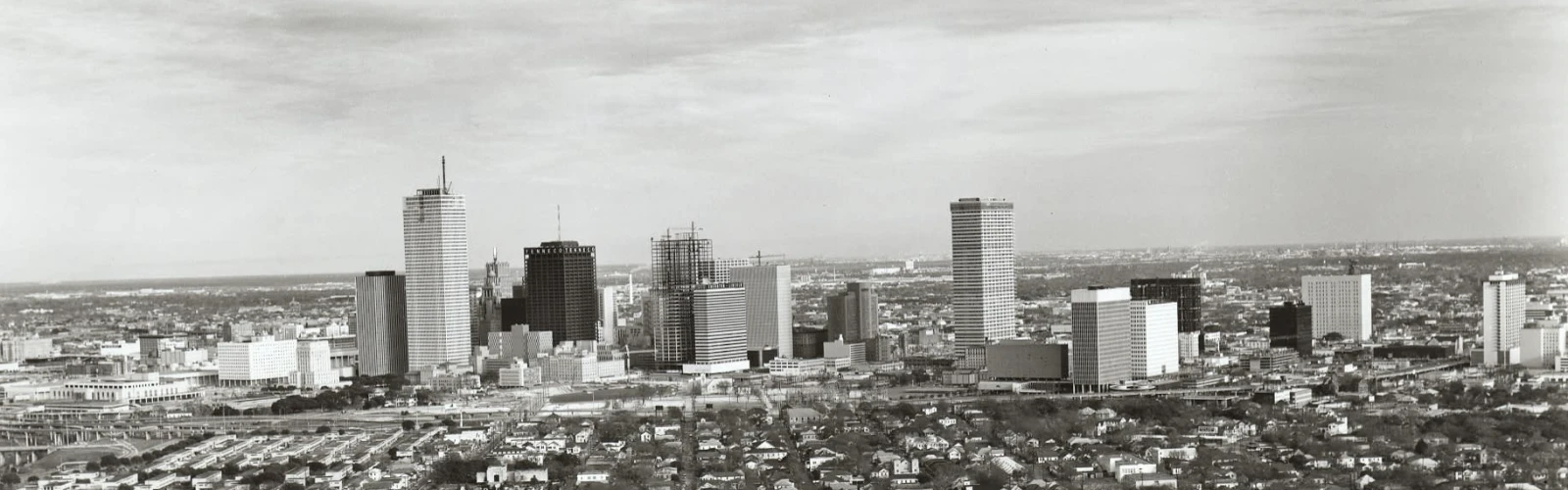
A Guide Through Houston Past

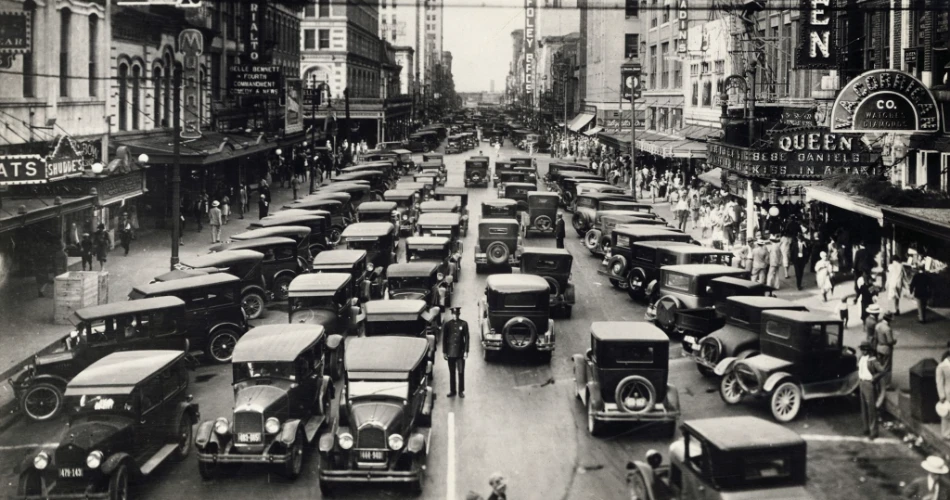
History in Houston isn’t something you'll find stuck away in dusty old books or droning lectures. It's out there in the neighborhoods that have stood the test of time, in buildings that are still standing after all these years, and in the stories that still shape the city the way they always have. Houston has changed fast, but never lost sight of where it came from. This guide will take you on a journey through the moments, places, and people that have built the city you see today. You'll discover how history and modern life collide on almost every corner. This practical little guide to Houston's past will help you get to know the city a little bit better, one step at a time.
John and Augustus Allen decided to pitch a town in 1836 on the banks of Buffalo Bayou, where a waterway would allow for easy transport in and out. It was named after Sam Houston, the man who served as the very first president of Texas. Some years later, Houston boomed again when it became a hub in the late 1800s for trains, making it an important rail center. The Houston Ship Channel opened up in 1914, and pretty much overnight, this city had a direct route to the Gulf of Mexico, which really helped the economy. Then, in 1961, NASA dropped one bigger domino by opening its Manned Spacecraft Center in the city, which marked another milestone in the city's history; all these events put together really defined Houston's growth.
Early Beginnings (1830s–1800s)
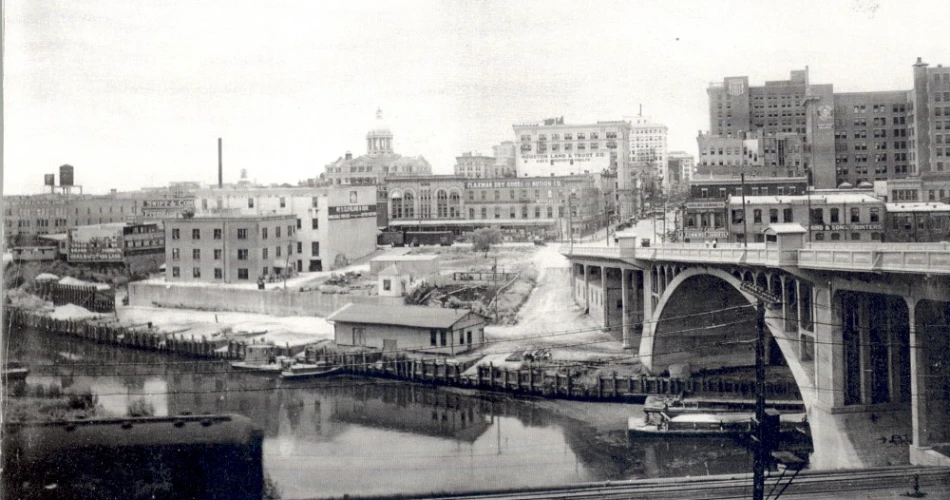
Houston got its start back in 1836 thanks to the brothers John Allen and Augustus Allen, who found land near Buffalo Bayou. That location wasn't just a pretty view; it turned out to be a real game-changer. See, Buffalo Bayou allowed boats to sail right up into the heart of the city, making it easy to get goods in and out. And because it was connected to Galveston Bay, early settlers were able to trade with other communities along the coast. As you can imagine, trading posts started popping up all over the place near the water. Anyways, in 1837, Houston found itself sitting pretty for a spell as the temporary capital of the Republic of Texas. Not that getting around was super easy, mind you—roads were pretty much non-existent back then, and most folks got their supplies delivered by boat. As a result, the population in the 1830s was pretty tiny.
That said, early buildings weren't exactly built to withstand flooding, and you can bet your boots they got their fair share of water damage. Commerce-wise, people were mostly focused on moving cotton and timber around, which was about it for goods those days.
Growth & Industrial Era (1900–1940)
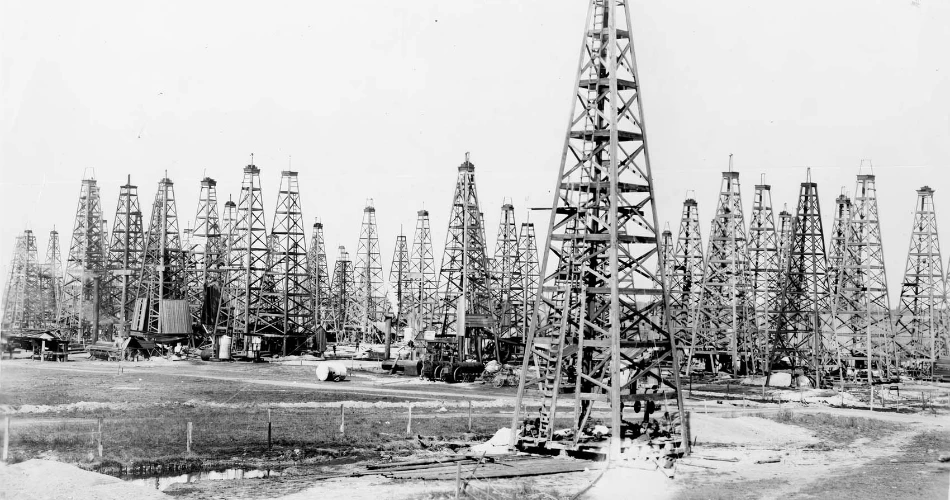
In 1901, the first oil was discovered at Spindletop in Texas, a find that sent Houston's economy and population soaring. The city suddenly found itself at the epicenter of the oil industry, with all sorts of companies and refineries setting up shop. By 1914, the Houston Ship Channel had opened up, a game changer that basically turned the Port of Houston into a major maritime hub. This meant big ships from the Gulf of Mexico could finally reach the city. In the early 1900s, railways expanded right across Houston, hooking the city up with the rest of Texas, including other major cities. Wherever those rail lines went, so too did new factories and warehouses, seeking a convenient spot to operate near the rail networks and the bustling port. The result? Houston had rapidly become a leading industrial city.
Space City Era (1960s–1980s)
In 1961, NASA established the Manned Spacecraft Center in Houston. The center was later named Johnson Space Center in 1973. Astronauts trained and mission control operated from this facility. The city became known worldwide after the Apollo 13 mission in 1970. During the mission, the famous line “Houston, we’ve had a problem” was sent from space. The space program created thousands of jobs in Houston. Engineers, scientists, and technicians moved to the city.
Historical Places To Visit In Houston
Some of the best things to do in Houston as a history lover are mentioned below
The San Jacinto Battleground—that's the spot where, in 1836, Texas finally took its independence from Mexico. The San Jacinto Monument, which took until 1939 to complete, is a real tribute to the soldiers who fought there. Alongside the monument, there's a museum that's chock-full of artifacts from the battle. Visitors can climb to the top of the monument for some pretty great views out over the battlefield. And one thing that's pretty interesting is how the battle actually shaped the early history of Houston.
Buffalo Bayou Park
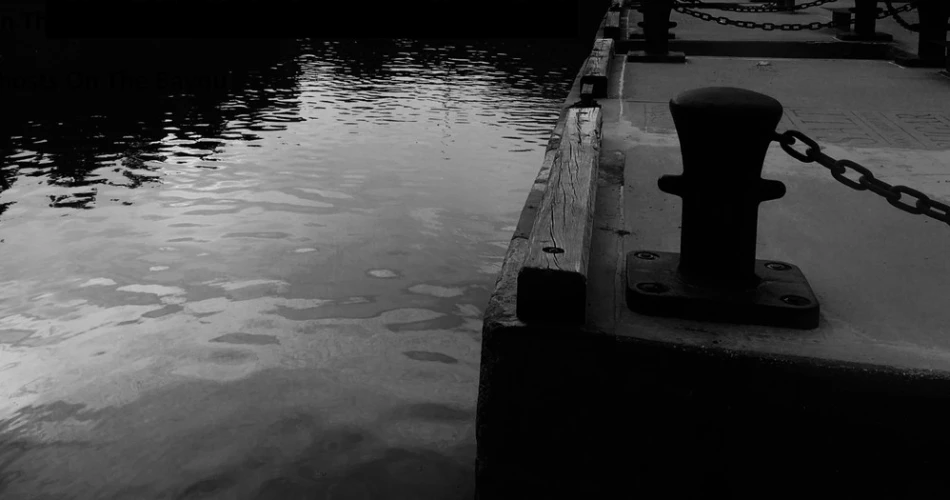
Buffalo Bayou Park runs alongside the historic Buffalo Bayou waterway, where early settlers used to trade. The park has done a pretty good job of preserving the bayou and the surrounding land. They've also built in some nice trails and bridges that highlight all the historical points of interest. If you take a look around, you can see how the bayou used to be the center of Houston's growth, from a humble trading post to a bustling city. And let's not forget the flood control measures they've put in place, a pretty interesting reflection of how the city was planned in the past.
Historic Downtown Houston
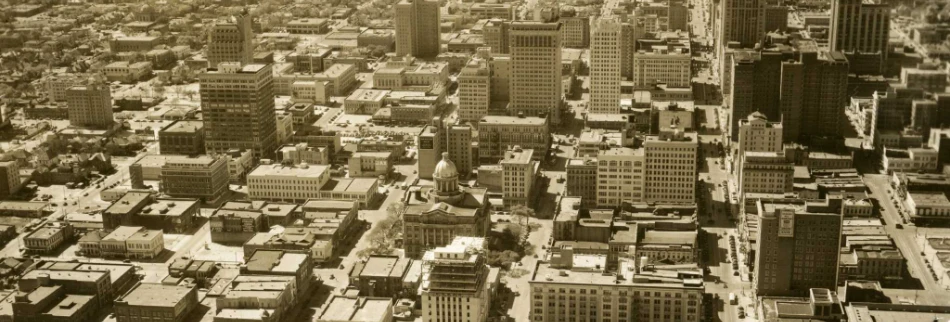
Historic Downtown Houston has got some serious history; it's the first place in the city to have streets and buildings. The Allen brothers were the ones who actually laid out the area back in 1836. So this is the place where markets and trading posts were the norm back in the day. Fast forward to the present, and now you've got skyscrapers where the old cotton warehouses used to be. And that just about sums up Houston's shift from a trading town to a centre of business. And the landmarks here, well, they just tell a whole story of how the city's grown and developed over the years.
Houston Museum District
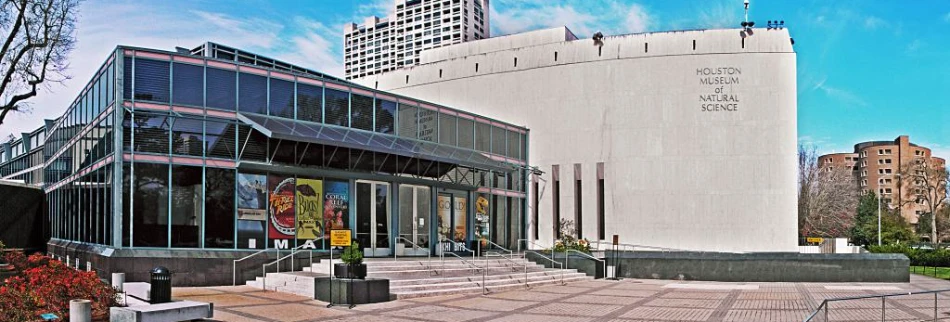
The Houston Museum District is one of those really special places where a bunch of museums have been built on some really historic land. They've got art, they've got science, and they’ve got history. Some of the buildings here date back to the early 1900s. And just to make things a bit more interesting, it's all connected up with Hermann Park, which just happens to be right in the heart of some of the city's most historic development. So that's the Houston Museum District in a nutshell: it's where you can learn all about how the city's grown into the place that it is today.
In a nutshell, Houston activities offer visitors a chance to explore the city’s rich history. These attractions let families connect with the past while enjoying the present.
Planning a Houston getaway? Stay comfortably at Sterling Inn & Suites — a convenient and budget-friendly hotel offering easy access to major Houston attractions, dining, and entertainment.

About Author
Isla is known as one of the best female solo travel bloggers today. She has been to Europe, UAE, and America and has penned down her experience in her blogs to inspire other travel enthusiasts.